High Cholesterol? How to Lower LDL Naturally + The Truth About Statins
Statins are the #1 prescribed medication in the United States, yet there is often very little informed consent regarding their potential risks and side effects. Before starting a medication that you may be told you need to take for the rest of your life, it's important to understand the risks.
What You Should Know About Statins
There are several potential risks and side effects associated with statin use that deserve more discussion between practitioner and patient.
First, it is important to understand that statins only reduce major cardiovascular outcomes by approximately 1.28% (PMID: 35997724). That's only 13 out of every 1,000 people.
Statins also lower CoQ10, an important compound involved in mitochondrial energy production and antioxidant function.
CoQ10 deficiency is associated with:
Myopathy
Heart failure
Neurological dysfunction
Cerebellar ataxia
Kidney disease
Mitochondrial dysfunction/oxidative stress
Beyond their effects on CoQ10, research has linked statin use to an increased risk of developing Type 2 diabetes (PMID: 38554713) and an increased risk of liver enzyme elevation (PMID: 31193835).
There are further concerns surrounded the relationship between cholesterol levels and cognitive decline:
Low cholesterol has been associated with a higher risk of Alzheimer's disease (PMID: 30289959).
Declining cholesterol over time has been associated with increased dementia risk (PMID: 21068429).
Conversely, higher cholesterol levels in late life have been associated with a lower risk of dementia (PMIDs: 15911792, 35918162).
These are important considerations when evaluating your options and making a fully informed decision about cholesterol management.
Now, Let's Better Understand Cholesterol..
Before we talk about lowering LDL, let's clear up a few common misconceptions.
To start, there is no such thing as "good" or "bad" cholesterol. The important distinction is more about damaged vs. non-damaged cholesterol.
Statins are ultimately dangerous, because you need cholesterol. Your body uses it for your eyes, brain, hormone production, and vitamin D production in the skin.
So why do we worry about these small, dense LDL particles?
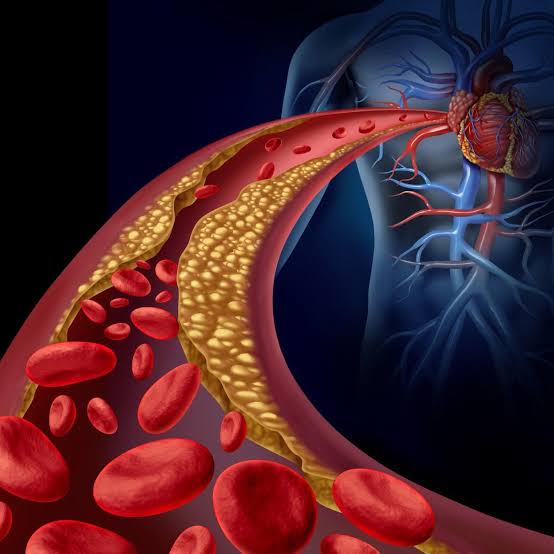
When LDL particles become small and dense, they can get into your arteries, become trapped in the artery walls and trigger an inflammatory response. Your immune system then sends specialized immune cells called macrophages to try to remove them. These macrophages take up the LDL and become what we call foam cells.
Foam cells can accumulate and contribute to plaque formation in the arteries. Over time, this process promotes inflammation, plaque instability, and plaque rupture. If a plaque ruptures, a blood clot can form and block blood flow, potentially resulting in a heart attack or stroke.
So now that we understand LDL cholesterol better, how do we improve it?
First, it's important to understand that your body makes most of its own cholesterol (approximately 80%). Your diet doesn't play a huge role in how much cholesterol your body produces. However, your diet DOES influence how much cholesterol is absorbed and how much enters your bloodstream.
There are several dietary strategies I recommend focusing on when working to improve LDL cholesterol:
1. Increase Plant Sterols
Plant sterols are naturally occurring compounds found in plant foods. They look very similar to cholesterol, and when you eat them, they compete with cholesterol for absorption in your digestive tract. This means less cholesterol gets absorbed.
Your liver then has to pull more cholesterol out of your bloodstream. Thus, lowering circulating LDL cholesterol levels
Some of the best food sources of plant sterols include sesame seeds, chia seeds, pumpkin seeds, flaxseeds, legumes such as chickpeas and lentils, and avocados.
(I always recommend soaking your seeds overnight to make them easier to digest.)
2. Increase Your Fiber Intake
Next, let's talk about fiber.
I recommend aiming for 30 grams of fiber per day. Fiber plays an important role in cholesterol metabolism because it binds to bile acids in your digestive tract.
Your liver uses cholesterol to make bile acids, which help you digest fats. Most bile acids are reabsorbed and recycled by the body. However, when fiber binds to bile acids, they are excreted instead.
Your body then has to use more cholesterol to make new bile acids, thus pulling more circulating LDL cholesterol out of your bloodstream.
This is one reason increasing fiber intake is such an important part of a natural cholesterol-lowering approach.
Good sources of fiber include vegetables, fruits, legumes, and seeds. Psyllium husk is also a great cheat code for easily increasing your daily fiber intake.
3. Protect Against Oxidative Damage
Now, let's talk about protecting cholesterol from oxidative damage.
Having mostly large, buoyant, "fluffy" LDL particles is generally considered a more favorable metabolic pattern than having predominantly small, dense LDL particles.
But here's where things get interesting: LDL particles can undergo oxidative damage when exposed to oxidative stress, making them more inflammatory and contributing to plaque formation, so we need to do our best to protect them.
The best way to protect your cholesterol from oxidative damage is to remove seed oils from your diet and consume foods rich in polyphenols.
Polyphenols are naturally occurring plant compounds with antioxidant properties that help protect against oxidative stress.
Some of my favorite sources include tomatoes, berries, dark chocolate, green tea, extra virgin olive oil, pomegranates, and colorful vegetables.
4. Reduce Excess Sugar
And finally, let's talk about sugar.
Excess sugar intake can have a significant impact on your triglyceride levels and overall cholesterol profile.
When excess sugar is processed by your liver, it can be converted into excess triglycerides. Those triglycerides leave the liver packaged into particles called VLDL.
As these particles circulate, they exchange fats and cholesterol with other lipoproteins, contributing to the formation of smaller, denser LDL particles.
This is one reason why elevated triglycerides and excess sugar intake can contribute to an unfavorable cholesterol profile.
You Don't Have to Live With High Cholesterol.
High cholesterol happens for a reason. It isn't simply "genetic," and it shouldn't mean immediately reaching for medication for life. Your cholesterol levels are influenced by multiple factors, including diet, blood sugar regulation, insulin resistance, thyroid function, liver health, and overall metabolic health. You deserve to understand your numbers, explore your options, and make informed decisions about your health. Don't just chase the number. Look at the bigger picture and understand what's driving it.
I am here if you need help. 💛
Curious about the supplements mentioned in this post?
In addition to nutrition and lifestyle changes, there are supplements I recommend to support healthy cholesterol levels:
Click here to: SHOP MY RECOMMENDED SUPPLEMENTS FOR NATURAL LDL SUPPORT
Let's break down the "why" behind my recommendations:
1. Berberine
PMID: 24647714 – Meta-analysis of randomized controlled trials found that berberine significantly improved lipid profiles, including reductions in total cholesterol, LDL cholesterol, and triglycerides.
PMID: 25468998 – Meta-analysis found significant reductions in LDL cholesterol and total cholesterol with berberine supplementation.
How it works:
Increases hepatic LDL receptor expression, helping the liver remove more LDL particles from circulation.
Influences AMPK signaling and cholesterol metabolism.
Reduce intestinal cholesterol absorption.
2. Plant Sterols
PMID: 19109655 – Meta-analysis of 59 randomized clinical trials found that plant sterols significantly reduced LDL cholesterol by approximately 12 mg/dL compared with placebo.
PMID: 24468148 – European Atherosclerosis Society consensus review found that 2 g daily of plant sterols/stanols reduced LDL cholesterol by approximately 8–10%.
PMID: 22623436 – Review of clinical evidence found that 2.5 g daily of plant sterols/stanols reduced LDL cholesterol by up to 10%.
How they work:
Structurally resemble cholesterol and compete with dietary and biliary cholesterol for absorption in the small intestine.
Reduce the amount of cholesterol absorbed into circulation.
This increases the amount of cholesterol available for elimination through the digestive tract.
3. Bioflavonoid Complex
The formula contains:
Quercetin: 500 mg
Citrus bioflavonoids: 375 mg
Rutin: 150 mg
Relevant research on quercetin:
PMID: 31017459 – Meta-analysis of randomized controlled trials found significant reductions in LDL cholesterol and total cholesterol with quercetin supplementation among individuals with metabolic syndrome and related disorders.
PMID: 31465275 – Meta-analysis found that quercetin doses of at least 250 mg daily significantly reduced LDL cholesterol in certain dose-based subgroup analyses.
How it works:
Quercetin has antioxidant properties and may help reduce oxidative modification of LDL particles.
4. Sunfiber
Sunfiber is partially hydrolyzed guar gum (PHGG), a soluble prebiotic fiber.
PMID: 34607737 – Meta-analysis of 25 clinical trials found that guar gum supplementation reduced LDL cholesterol by an average of 17.37 mg/dL.
PMID: 35837742 – Meta-analysis of 19 randomized controlled trials found an average LDL reduction of 16.19 mg/dL with guar gum supplementation.
PMID: 9925120 – Meta-analysis of 67 controlled trials found that soluble fiber supplementation significantly reduced LDL cholesterol.
How it works:
Soluble fiber helps reduce intestinal cholesterol absorption.
Can increase bile acid elimination through the stool.
The liver must use circulating cholesterol to produce replacement bile acids.
This contributes to lowering circulating LDL cholesterol.
5. Organic Whole Husk Psyllium
- PMID: 30239559 – Systematic review and meta-analysis of 28 randomized controlled trials involving 1,924 participants found that psyllium supplementation significantly reduced:
LDL cholesterol by 0.33 mmol/L (approximately 13 mg/dL).
Non-HDL cholesterol by 0.39 mmol/L.
ApoB by 0.05 g/L.
- The median psyllium dose in the included studies was approximately 10.2 g daily.
How it works:
Psyllium forms a viscous gel in the digestive tract.
Binds bile acids and increases their elimination through the stool.
The liver uses circulating cholesterol to produce more bile acids, helping pull LDL cholesterol out of circulation.
Also helps reduce intestinal cholesterol absorption.
6. CholestSure
Note: This product is a natural statin alternative. Red yeast rice can carry statin-like adverse effects and medication interactions.
Ingredients per 3-capsule serving:
Red yeast rice: 600 mg
Phytosterols complex: 500 mg (450 mg total phytosterols)
Policosanols: 20 mg
Guggul lipids: 200 mg
Artichoke leaf extract: 100 mg
CoQ10: 20 mg
Chromium: 200 mcg
Relevant research:
PMID: 19109655 – Meta-analysis of 59 randomized trials found that plant sterols significantly reduced LDL cholesterol.
PMID: 24468148 – Plant sterols/stanols at 2 g daily reduced LDL cholesterol by approximately 8–10%.
PMID: 37183391 – Meta-analysis of 41 randomized controlled trials involving 4,838 participants found that berberine-containing nutraceutical combinations reduced LDL cholesterol by approximately 15 mg/dL. This is not direct evidence for CholestSure, but supports the potential of combination nutraceutical approaches.
How it works:
Red yeast rice: Contains monacolin compounds that inhibit HMG-CoA reductase, the enzyme involved in cholesterol synthesis.
Phytosterols: Reduce intestinal cholesterol absorption.
Artichoke: Influences hepatic cholesterol synthesis and bile metabolism.
Policosanols and guggul: Lipid-modulating effects
Medical Disclaimer: The information provided in this post is for educational and informational purposes only and is not intended to diagnose, treat, cure, or prevent any disease or medical condition. It is not a substitute for professional medical advice, diagnosis, or treatment. Always consult with your physician or qualified healthcare provider before making changes to your medications, supplements, diet, or healthcare routine. Never disregard professional medical advice or delay seeking it because of something you have read here. The views and information shared are based on research and educational interpretation and should not be considered individualized medical advice. Individual health needs, risk factors, and treatment decisions vary. Natural Way Nutrition LLC does not provide emergency medical care or replace the care of your licensed healthcare provider.
